platinum-horizontal-color
The No 1 HubSpot Growth Partners for Wales
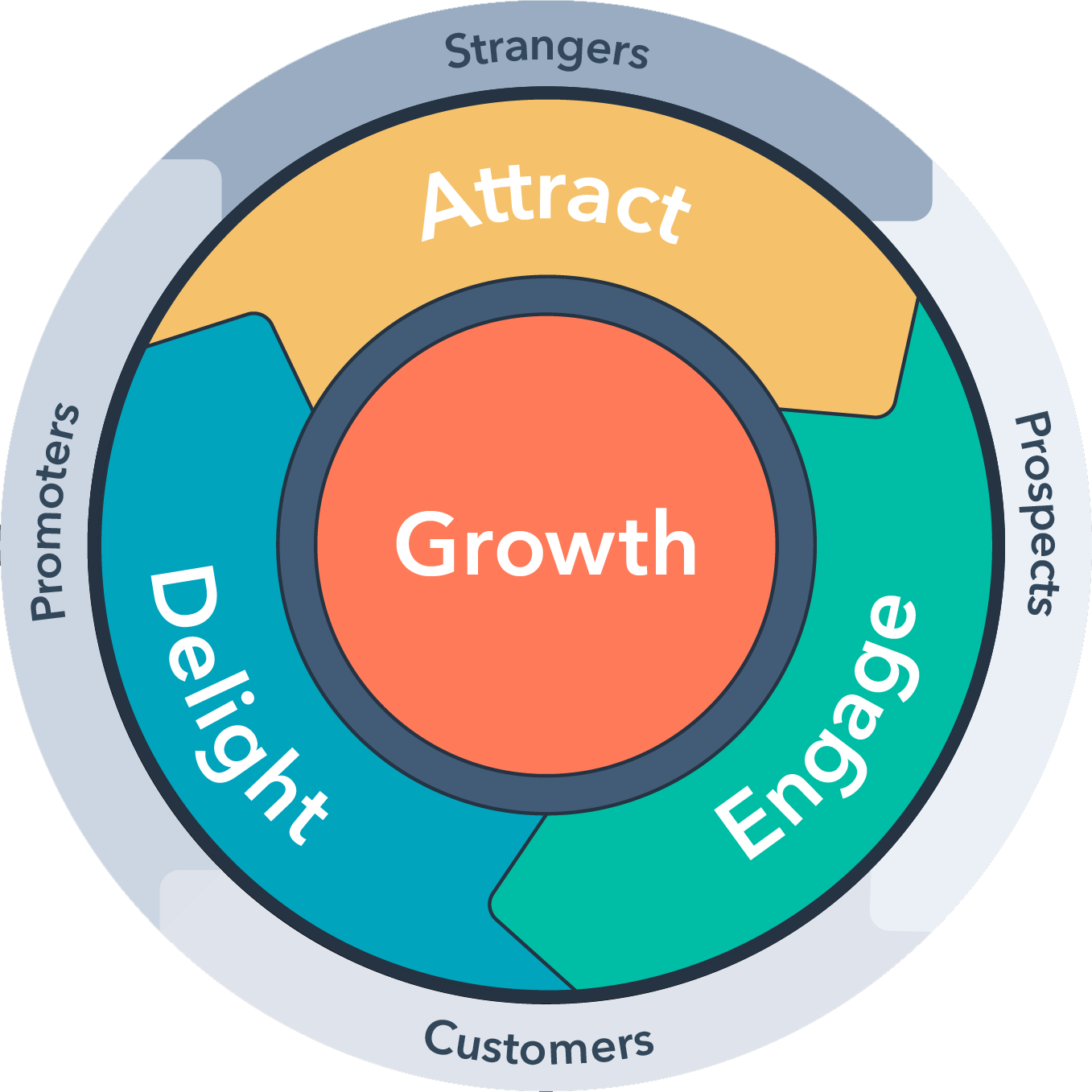
HubSpot Flywheel

CRM Strategy & Revenue Architecture


Define how your business should run before HubSpot is built


Most HubSpot implementations start with configuration.
CONVRG starts by defining how revenue operations should work.

Then HubSpot is built to support that model.
Without this, configuration only scales inconsistency.


Build the right commercial foundations before you configure HubSpot

See how your HubSpot really performs →

CRM Strategy & Revenue Architecture

See where this fits in the wider operating model

Explore the CONVRG Method →

At a glance

What this is

A structured process for defining the CRM standards, revenue architecture and management expectations that HubSpot must support.

Who it is for

B2B leadership teams using HubSpot who want accurate forecasting, reliable pipeline visibility and stronger adoption.

The problem it solves

Most CRM implementations start with configuration instead of strategy. Without a clear operating model, the system cannot support forecasting, governance or performance management.

When it is needed

When HubSpot exists but leadership cannot confidently run forecasting, pipeline reviews or revenue reporting from the system.

Where it fits

This work represents the Plan stage of the CONVRG Method, which defines the standards the CRM must enforce.

The Plan Stage of the CONVRG Method

CRM Strategy & Revenue Architecture is the pillar for the Plan stage of the CONVRG Method. In CONVRG, HubSpot implementation does not begin with configuration. It begins with leadership defining how the business should run.

Before pipelines are built or automation is introduced, leadership defines the standards the CRM must enforce. This ensures the system reflects how revenue is forecast, how pipeline is governed and how performance is managed.

The CONVRG Method progresses through four stages:

Plan ( CRM Strategy & Revenue Architecture)
Leadership defines CRM standards, forecasting logic and management expectations.

Build
HubSpot is configured to enforce those standards through pipelines, reporting structures, properties and automation.

Adopt
Managers reinforce usage through inspection, forecasting and coaching inside the system.

Growth
Sales execution, SEO, website performance and pipeline visibility improve because the business is now operating on a stable CRM foundation.

Learn more about the full CONVRG Method →

Proven HubSpot Adoption Outcomes
platinum-horizontal-color
HubSpot Certs

Real HubSpot Adoption Outcomes

Tick 94% increase in qualified leads

483% increase in attributable revenue

Forecast accuracy restored within 90 days

50%+ increase in CRM usage across teams

Frontier Medical Group - 483% increase in attributable revenue after embedding CRM governance. 

Myenergi - 50%+ increase in CRM usage with unified forecasting standards. 

Bridgend College - HubSpot adoption re-aligned through leadership structure, process clarity and renewed management ownership.

The Problem: CRM Systems Are Built Without a Blueprint

Most CRM implementations follow the same pattern: The software is installed quickly | Pipelines are created | Fields and automation are configured.

But the business questions the system must answer are rarely defined first.

Leadership still struggles to answer basic questions:

    • Do we have enough pipeline to hit target?
    • Where are deals stalling?
    • How accurate is our forecast?
    • Which channels generate qualified opportunities?

When those questions cannot be answered reliably, teams lose trust in the CRM.

The system slowly becomes a data entry tool instead of a management system.

The Problem - CRM Systems Are Built Without a Blueprint

This is the start of the HubSpot Adoption Gap.

CRM Strategy and Revenue Architecture prevents that problem by defining the blueprint first.

See how these standards are designed in
HubSpot Adoption Gap

This Is Not Typical HubSpot Consulting


Most HubSpot partners focus on technical configuration.

They help set up:

    • pipelines
    • automation
    • integrations
    • reporting dashboards

These are important.


How CONVRG is different

They only work when the management standards behind the system are defined first.

CRM Strategy and Revenue Architecture focuses on the operating model, not just the software.

The goal is to define how leadership wants the business to run so the CRM can reinforce those behaviours.

This is why CONVRG approaches HubSpot adoption from a management-led perspective.

Learn more about how this structure is designed in
Revenue Architecture for HubSpot

How CRM Strategy & Revenue Architecture Works

This stage focuses on defining the structural elements that shape the CRM.


1️⃣ Revenue Model Design

Leadership defines how revenue flows through the business.

This includes:

Tick Deal types
Tick Sales cycles
Tick Pipeline structures
Tick Forecast categories


These decisions shape how HubSpot pipelines are built.


2️⃣ Forecasting Framework

Forecasting must be embedded into the CRM.

We define:

TickForecast stages
TickPipeline coverage expectations
TickReporting structures
TickForecast review processes


This allows leadership to see revenue risk and opportunity early.


3️⃣ Pipeline Governance

A pipeline should represent the real sales process, not just a sequence of stages.

We define:

TickStage definitions
TickEntry and exit criteria
TickRequired deal data
TickDeal hygiene rules


This ensures data inside HubSpot remains reliable.


4️⃣ Lifecycle Architecture

Marketing and sales must operate from the same pipeline logic.

We define lifecycle stages that align:

Tick Marketing qualification
Tick Sales qualification
Tick Opportunity creation
Tick Revenue reporting


This creates a single view of pipeline performance.


5️⃣ Reporting Architecture

Leadership should be able to answer critical questions instantly.

Examples include:

TickPipeline coverage
TickForecast accuracy
TickDeal progression
TickMarketing contribution to pipeline


The reporting architecture ensures HubSpot can answer these questions reliably.


What Success Looks Like

When CRM strategy is defined correctly:

Tick HubSpot reflects the real sales process
Tick Pipeline data becomes reliable
Tick Forecasting accuracy improves
Tick Marketing and sales align
Tick Leadership gains real visibility into revenue


At that point, the CRM becomes the operating system for revenue management.
 

Explore CRM Strategy in More Detail

CRM Strategy and Revenue Architecture defines the operating blueprint for HubSpot.
If you want to explore specific parts of this approach in more detail, these guides explain the individual components.

HubSpot CRM Strategy
Learn how leadership defines pipeline structure, lifecycle stages, and revenue management standards before HubSpot is implemented.
HubSpot CRM Strategy → 

Revenue Architecture for HubSpot
Understand how forecasting models, reporting structures, and revenue governance are designed so HubSpot supports management decision-making.
Revenue Architecture for HubSpot → 

Frequently Asked Questions


CRM strategy defines how the business manages pipeline, forecasting, reporting and revenue performance. HubSpot is then configured to support those standards.

Without clear standards, pipelines and reports reflect configuration choices rather than how the business actually operates. This leads to unreliable forecasting and weak adoption.

No.

Onboarding focuses on learning how to use HubSpot.

CRM Strategy and Revenue Architecture focuses on defining how the business should run inside the system.

Yes. Many organisations come to CONVRG after an implementation that did not deliver adoption or reliable reporting.

CRM Strategy and Revenue Architecture is typically defined through a small number of leadership working sessions.

For most organisations this takes two to four weeks, depending on the complexity of the revenue model and teams involved.

Yes. Many organisations implement HubSpot before defining their revenue model.

CRM Strategy and Revenue Architecture realigns pipelines, forecasting and reporting so the system supports how the business should actually operate.

No.

RevOps improves processes, automation and reporting.

CRM Strategy defines the operating model those systems must support, ensuring RevOps execution is built on a clear structure.

Hubs Grid
Four types of business we really know

Sport

We have a lot of friends in the world of Sports so if you are looking for an agency that understands sports marketing sponsorship and hospitality sales we might be the one! From professional teams to NGO's we help your team win.


Bath Rugby LOGO
Cardiff Blues LOGO

Not For Profit

We have worked with Charities, arms-length bodies and Foundations of many types and understand the pressures of the third sector as well as anyone. we can help with your data, fundraising and events management


CDPS-1
Keep Wales Tidy

Technology

From high-tech manufacturing to SAAS Startups. we've worked with lots of businesses in this arena. We can help with audience building, monetisation, sales process and so on. It helps to be a technology business ourselves!


Frontier Medical
logo-Bulb

Media

The roots of Real Inbound run deep into the world of media and the music industry, and always with a commercial aspect driven by the acquisition and monetisation of huge audiences through first-rate content strategies.


Advendio
Tribe Fire

Start with the right foundations

Bad structure creates bad reporting, bad forecasting, and poor adoption


See how your HubSpot really performs →

 Explore the CONVRG Method →